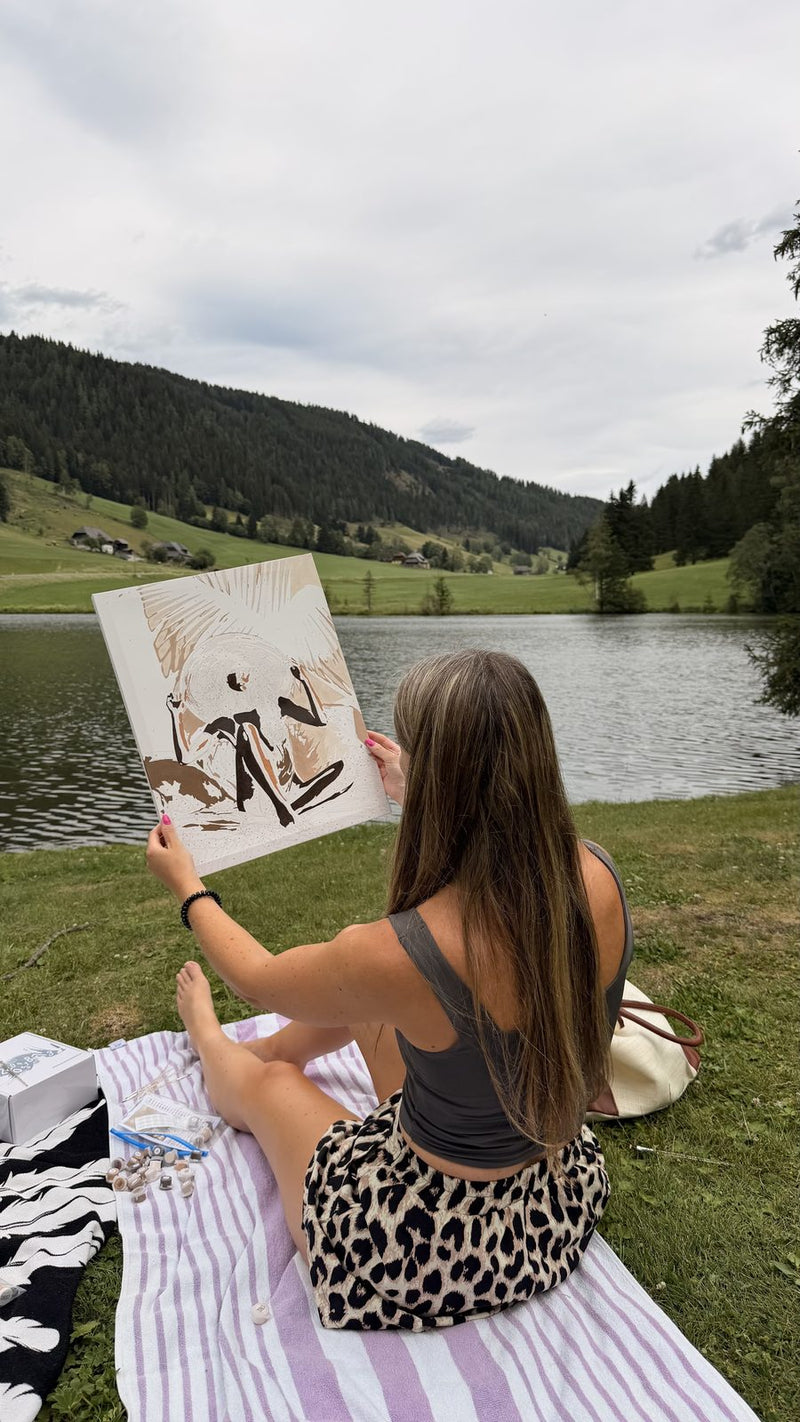
Mentalmente Esausto ma Ancora Agitato? Non È Forza di Volontà - È Chimica del Cervello.
Se finisci la giornata esausto ma incapace di spegnere il cervello, non sei pigro o indisciplinato - il tuo cervello è bloccato in uno stato in cui non può semplicemente essere detto di lasciare. La buona notizia: c'è un modo ben studiato e a bassa fatica, e probabilmente non è quello che ti aspetti.
È facilmente la cosa più comune che ci dicono i nostri pittori: arrivi alla fine della giornata, ti siedi per rilassarti, e semplicemente non puoi. Il tuo corpo è stanco ma la tua mente continua a girare. Scrolli per rilassarti e ti senti peggio. Ti dici "rilassati" e nulla accade. Ciò è perché rilassarsi non è una decisione - è uno spostamento che il tuo cervello deve essere dolcemente guidato. Ecco sei motivi supportati dalla ricerca per cui una semplice abitudine di pittura aiuta - lo studio dietro ognuno, e come il kit mette quella scoperta al lavoro.
Il lavoro ritmico manuale attiva la risposta di rilassamento del tuo corpo
C'è un motivo per cui i mestieri ripetitivi si sono sempre sentiti calmanti - non è solo nella tua testa, è nel tuo sistema nervoso.
In un sondaggio tra migliaia di maglieria, i ricercatori hanno scoperto che il lavoro manuale frequente e ritmico era fortemente associato a sentirsi più calmi e felici - un modello che gli esperti collegano alla "risposta di rilassamento" del corpo, l'opposto fisiologico misurabile dello stress.
Corkhill et al. · Knitting & Wellbeing, 2014La soluzione: La pittura riempie area dopo area nello stesso ritmo gentile e ripetitivo - un modo facile per attivare quella stessa risposta calmante.
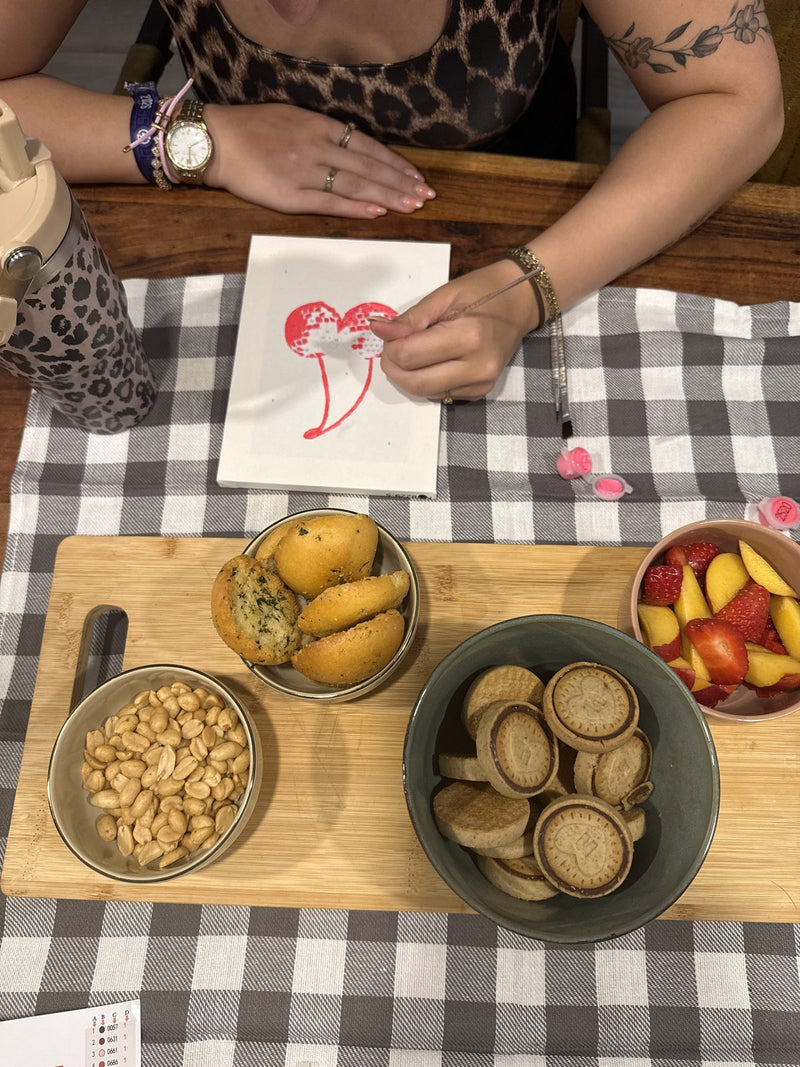
Lavorare con le mani nutre il circuito "sforzo-guidato da ricompensa" del cervello
Toccare uno schermo dà al tuo cervello una ricompensa senza sforzo. Fare qualcosa di reale gli dà entrambi - e questa combinazione è ciò che realmente soddisfa.
La neuroscienziata Kelly Lambert sostiene che usare le nostre mani per produrre un risultato tangibile attiva un circuito "sforzo-guidato dalla ricompensa" - una rete che collega il movimento, lo sforzo e la ricompensa che solleva l'umore e costruisce la resilienza, e che le nostre vite senza sforzo e touch-screen lasciano gravemente inutilizzate.
Kelly Lambert · effort-driven rewardsLa soluzione: Ogni pennellata è uno sforzo manuale con un risultato visibile - esattamente il tipo di input per il quale questo circuito di ricompensa è costruito.
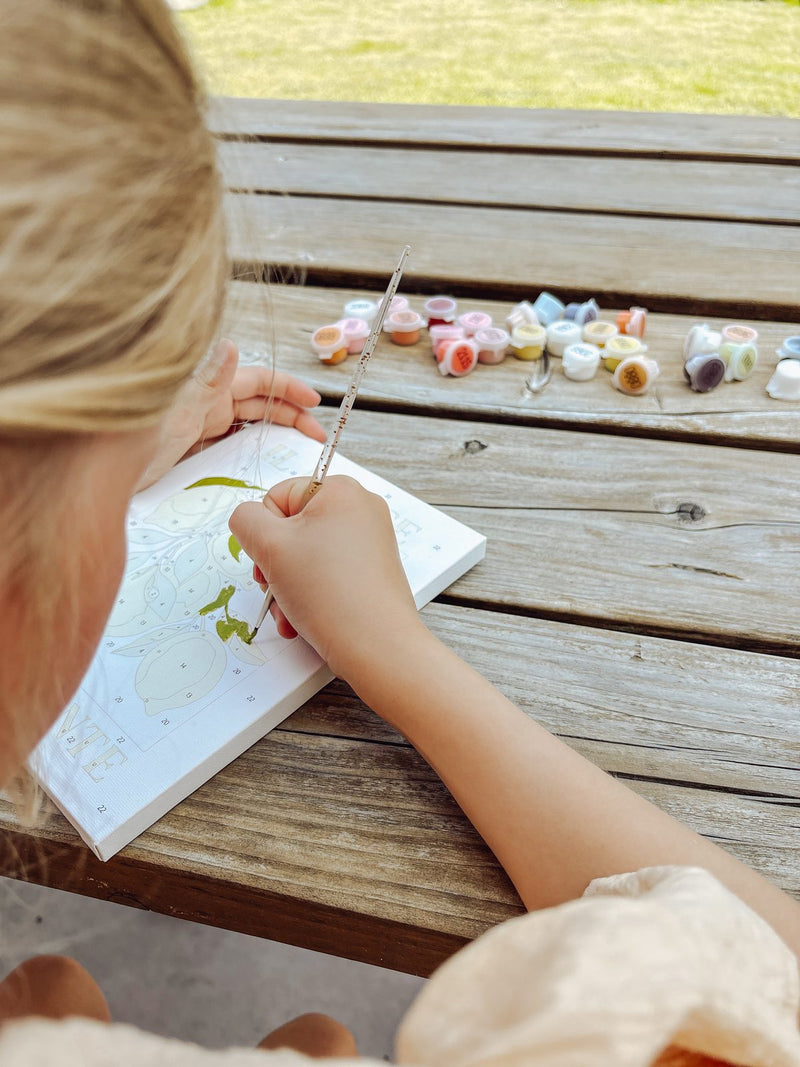
Imparare un'abilità pratica affila notevolmente la memoria
Il tempo passivo non chiede nulla al tuo cervello. L'apprendimento attivo di qualcosa chiede solo abbastanza per mantenerlo forte.
In uno studio fondamentale, gli adulti che hanno intrapreso una nuova abilità pratica impegnativa hanno mostrato guadagni misurabili nella memoria - mentre quelli che hanno fatto solo attività passive o familiari no. È l'apprendimento attivo, non solo il rilassamento, che mantiene la mente acuta.
Park et al. · the Synapse Project, 2014La soluzione: Dipingere con i numeri è dolce ma genuinamente nuovo per la maggior parte delle persone - coordinazione mano-occhio, colore, pazienza - il tipo di apprendimento attivo che mantiene il cervello impegnato.
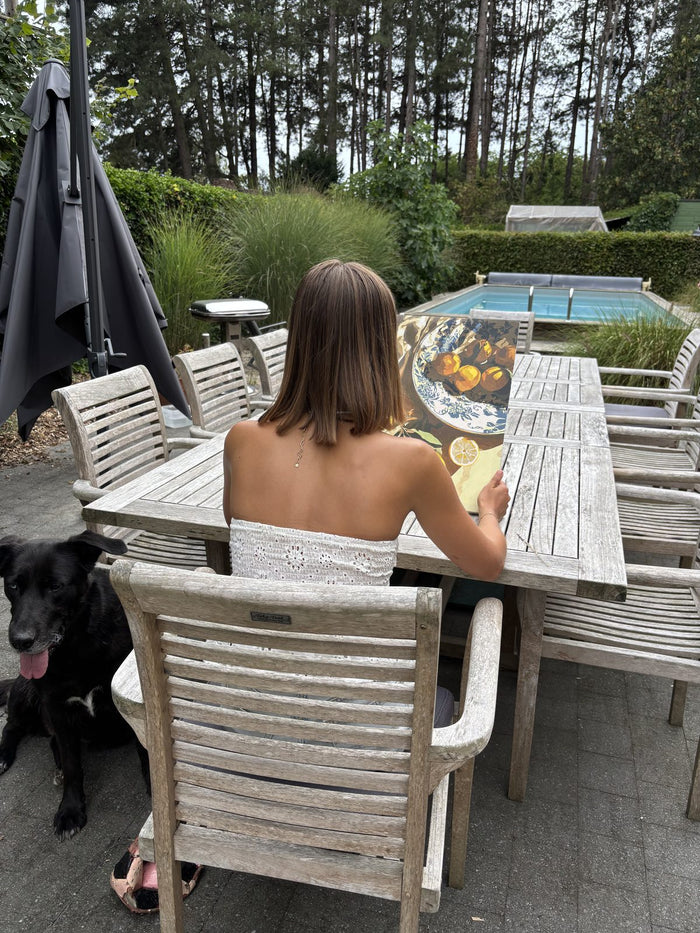
Soddisfa due bisogni psicologici di base contemporaneamente: autonomia e competenza
Molti "rilassamenti" falliscono perché non soddisfano nulla di più profondo. Il vero benessere ha ingredienti - e questo ne colpisce due dei più grandi.
La ricerca sull'autodeterminazione di decenni mostra che il benessere riposa nel soddisfare alcuni bisogni fondamentali - tra cui l'autonomia (fare liberamente ciò che fai) e la competenza (sentirti efficace in esso). Le attività che soddisfano entrambi contemporaneamente sono tra le più affidabilmente rigeneranti.
Deci & Ryan · Self-Determination TheoryLa soluzione: Tu scegli il design e vai al tuo ritmo (autonomia), e ogni area finita prova che sei bravo in questo (competenza) - entrambi i bisogni soddisfatti in un'ora tranquilla.
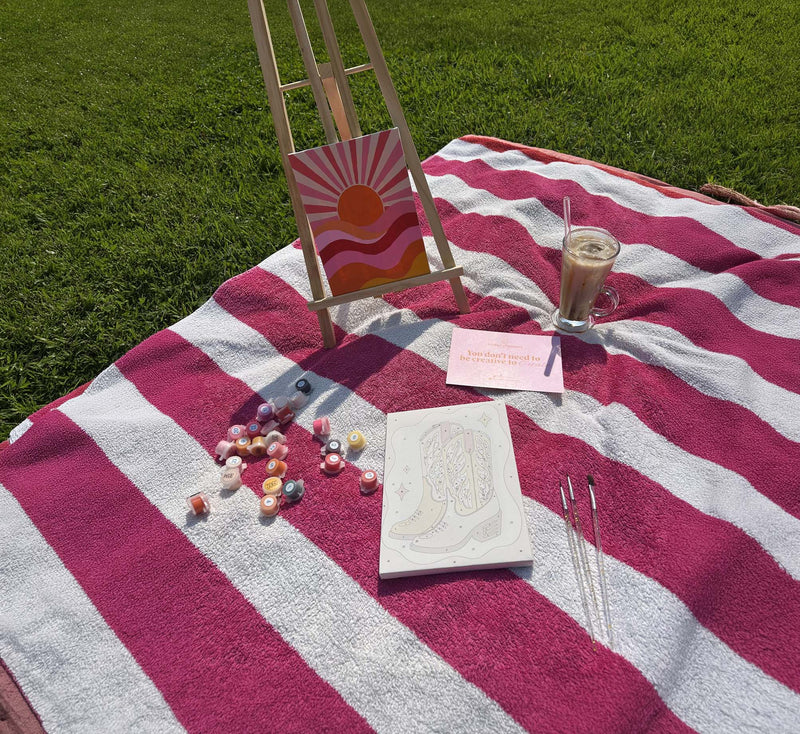
Dipingere una foto significativa tocca l'umore elevato della reminiscenza positiva
Il kit non è solo l'ora che trascorri su di esso - può essere il momento che ottieni per rivivere.
La ricerca sulla reminiscenza positiva scopre che rivisitare deliberatamente i ricordi personali felici solleva costantemente l'umore e aiuta a proteggersi dallo stress. Ricreare una foto cara a mano ti tiene dentro quel ricordo per ore, non secondi.
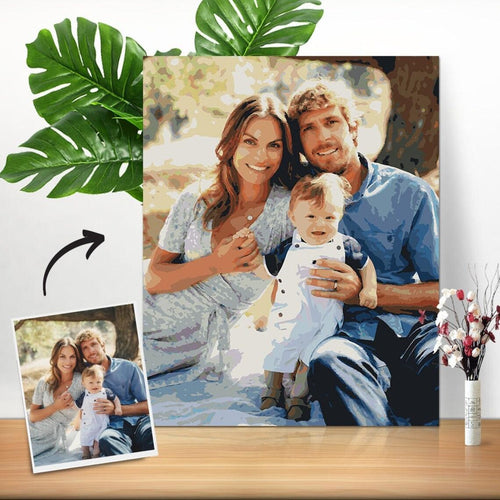
Ricerca sulla reminiscenza positivaLa soluzione: Carica una tua foto preferita e dipingila tu stesso - un modo lento e coinvolgente per rivivere un momento che ami, poi conservalo al muro.
Un hobby coinvolgente dà un benessere più profondo che lo scorrimento non può
L'intrattenimento passivo sembra buono nel momento e poi svanisce. Una vera ricerca fa qualcosa di diverso.
I ricercatori del benessere distinguono il breve piacere "edonistico" - come scorrere - dal benessere "eudaimonico": la soddisfazione più profonda e duratura che viene dalla crescita, dallo sforzo e dal significato. Gli hobby coinvolgenti sono una fonte classica del secondo tipo, più durevole.
Huta & Ryan · eudaimonic wellbeingLa soluzione: Una tela che stai imparando lentamente è una piccola impresa con un vero significato - il genere di svago che ti lascia genuinamente migliore, non solo brevemente distratto.
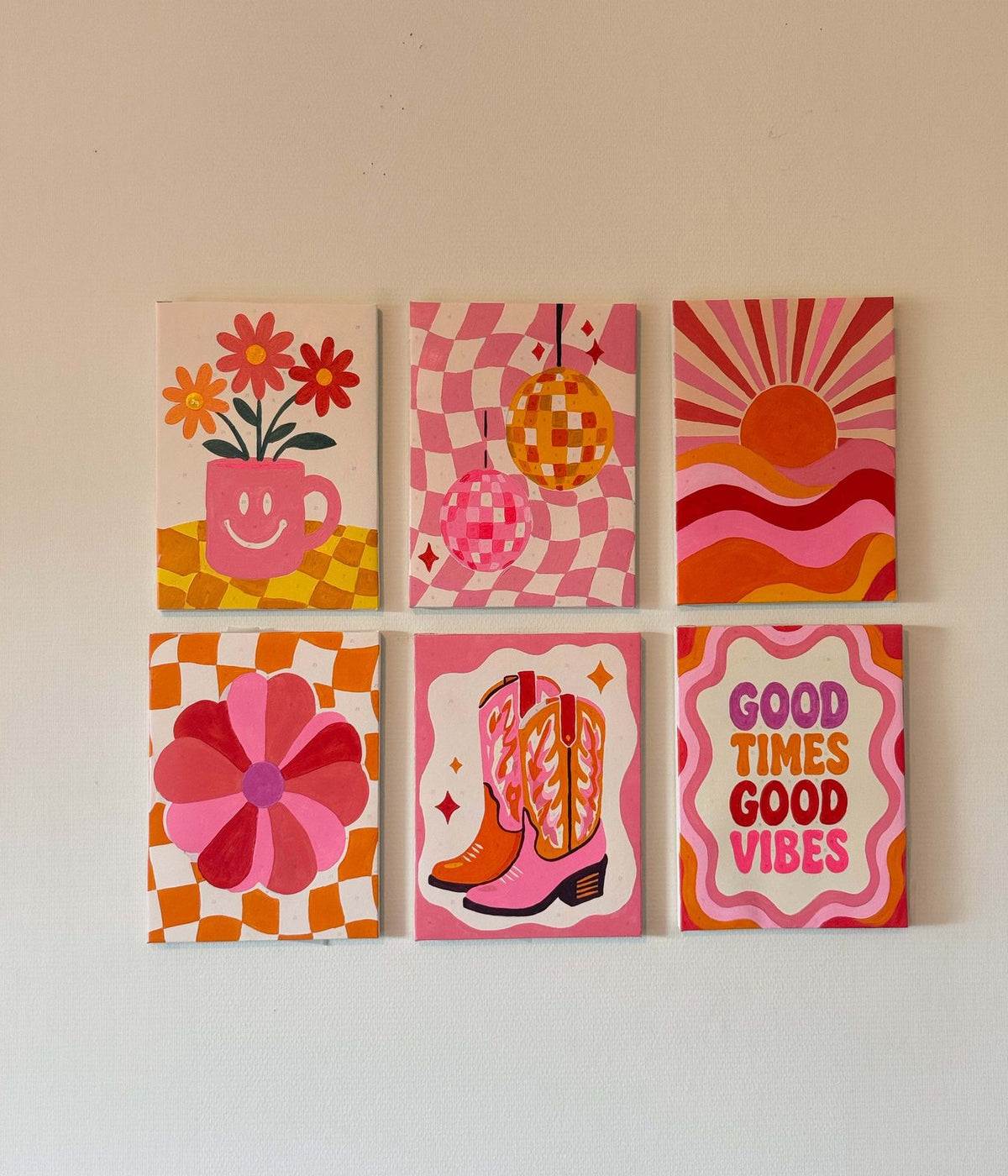

Il Kit di Dipingi con i Numeri
- Tela stampata premium e vernici acriliche numerate
- Completo set di pennelli - incluso gratuitamente
- Opzione di cornice disponibile - gratuita
- Spedizione gratuita e garanzia di restituzione di 30 giorni
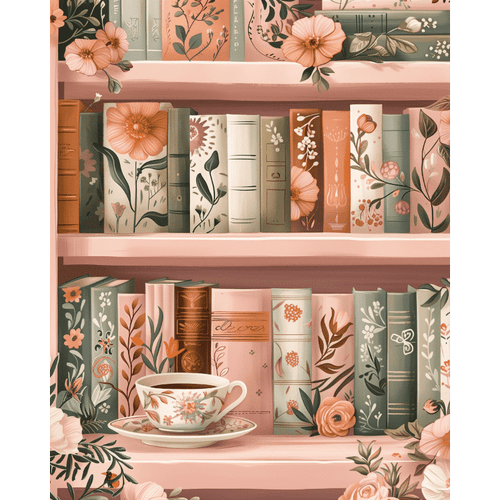
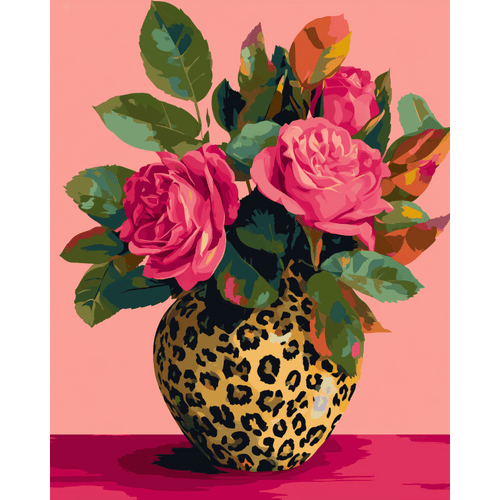
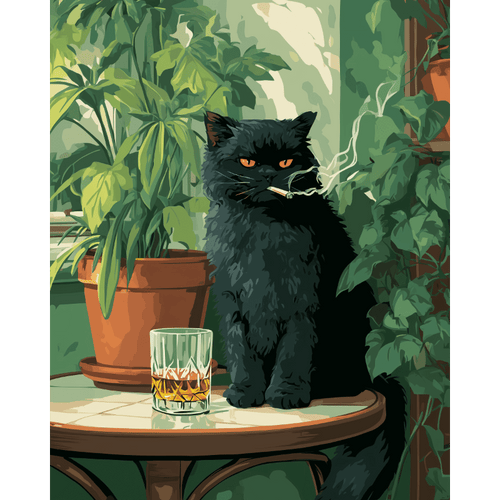
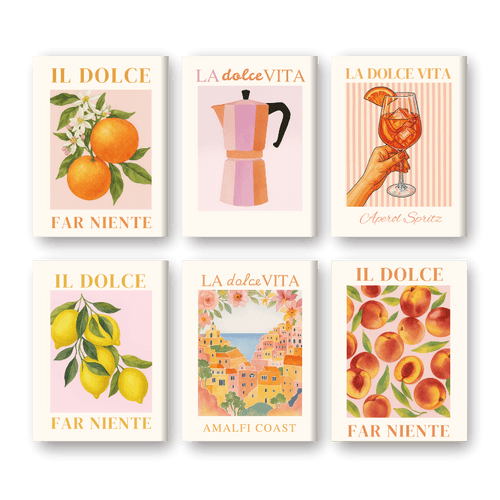
Trova un design che amerai

Cosa realmente ti aiuta a spegnere il cervello
| Cosa ti serve | Dipingi con i numeri | Altri modi per rilassarsi |
|---|---|---|
| Abbassa lo stress che puoi misurare | ✓ | ✕ |
| Riposa l'attenzione consumata | ✓ | ✕ |
| Funziona senza motivazione | ✓ | ✕ |
| Ti lascia qualcosa di reale | ✓ | ✕ |
| Supportato da ricerche | ✓ | ✕ |
Cosa è cambiato per loro
"Questo era il mio primo kit di dipingere con i numeri e mi è piaciuto davvero. È un ottimo modo per rilassarsi dopo il lavoro e fare qualcosa di creativo senza aver bisogno di esperienza."
 Claire L. · ✓ Verified
"Mi è piaciuto molto dipingere questo! Sembra un vero capolavoro. Mi aiuta davvero a rilassarmi, sono un'infermiera e questa è l'unica cosa che ferma tutto il rumore."
 Katie C. · ✓ Verified
"È consapevolezza al suo meglio, ho scelto solo quello di base e l'ho incorniciato da solo, è una dipendenza x"
 Lindsay J. · ✓ Verified
"Ho comprato questo per vedere come me la cavavo con i pennelli, non avendoli mai usati prima. Questo è il primo dipinto che ho finito, e non vedo l'ora di iniziare gli altri! Un'attività molto rilassante e gratificante, perfetta per riposare gli occhi e il cervello."
 Chiara D. · ✓ Verified
Dai Alla Tua Mente Il Riposo Che Sta Chiedendo
Tutto quello che ti serve in una scatola - nessuna abilità, nessuna configurazione, nessuno schermo.
- 50% di sconto oggi + spedizione gratuita
- Tela, vernici e pennelli inclusi
- Oltre 1.800 design, o carica la tua foto
- Garanzia di restituzione di 30 giorni